UTTU
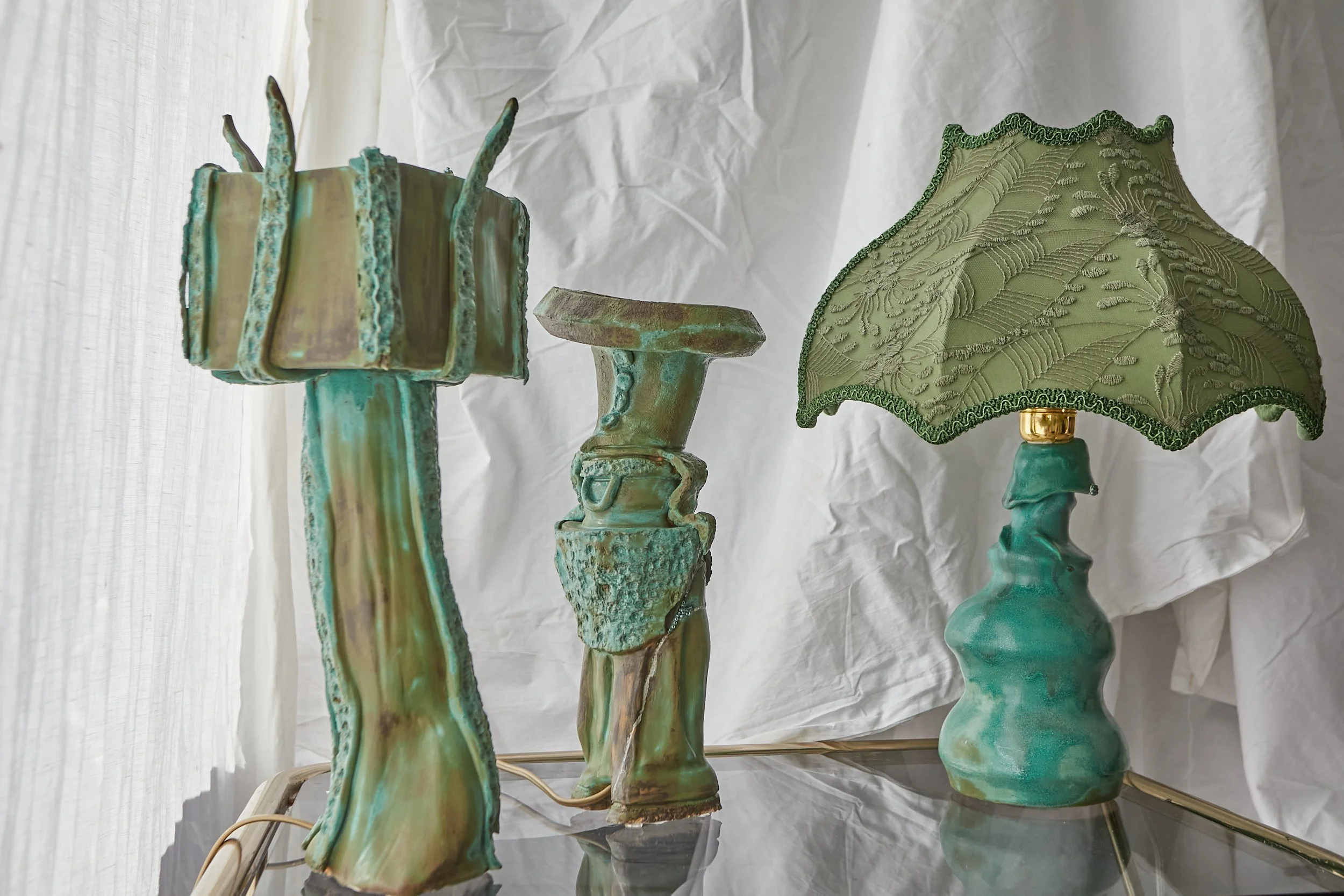
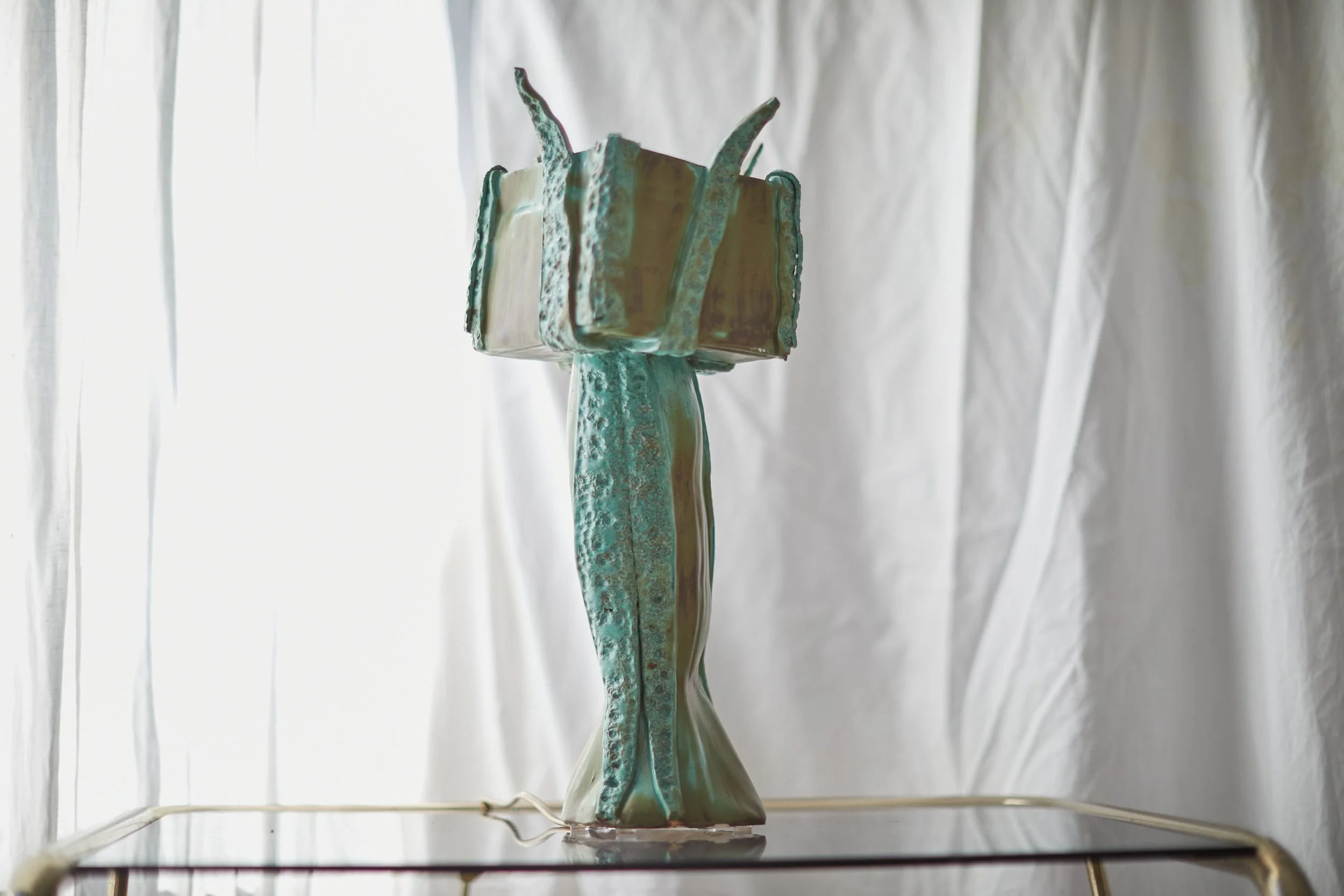
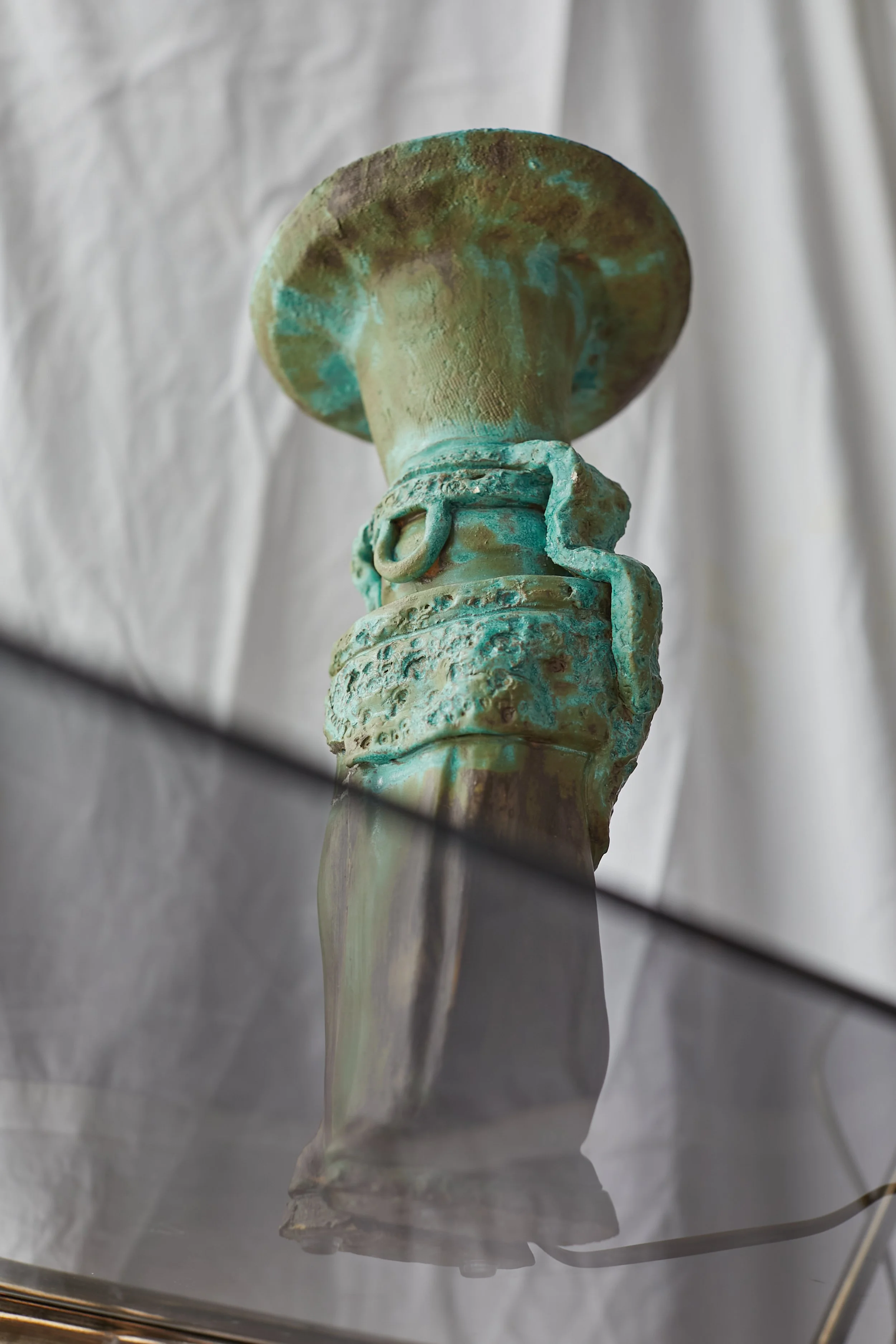
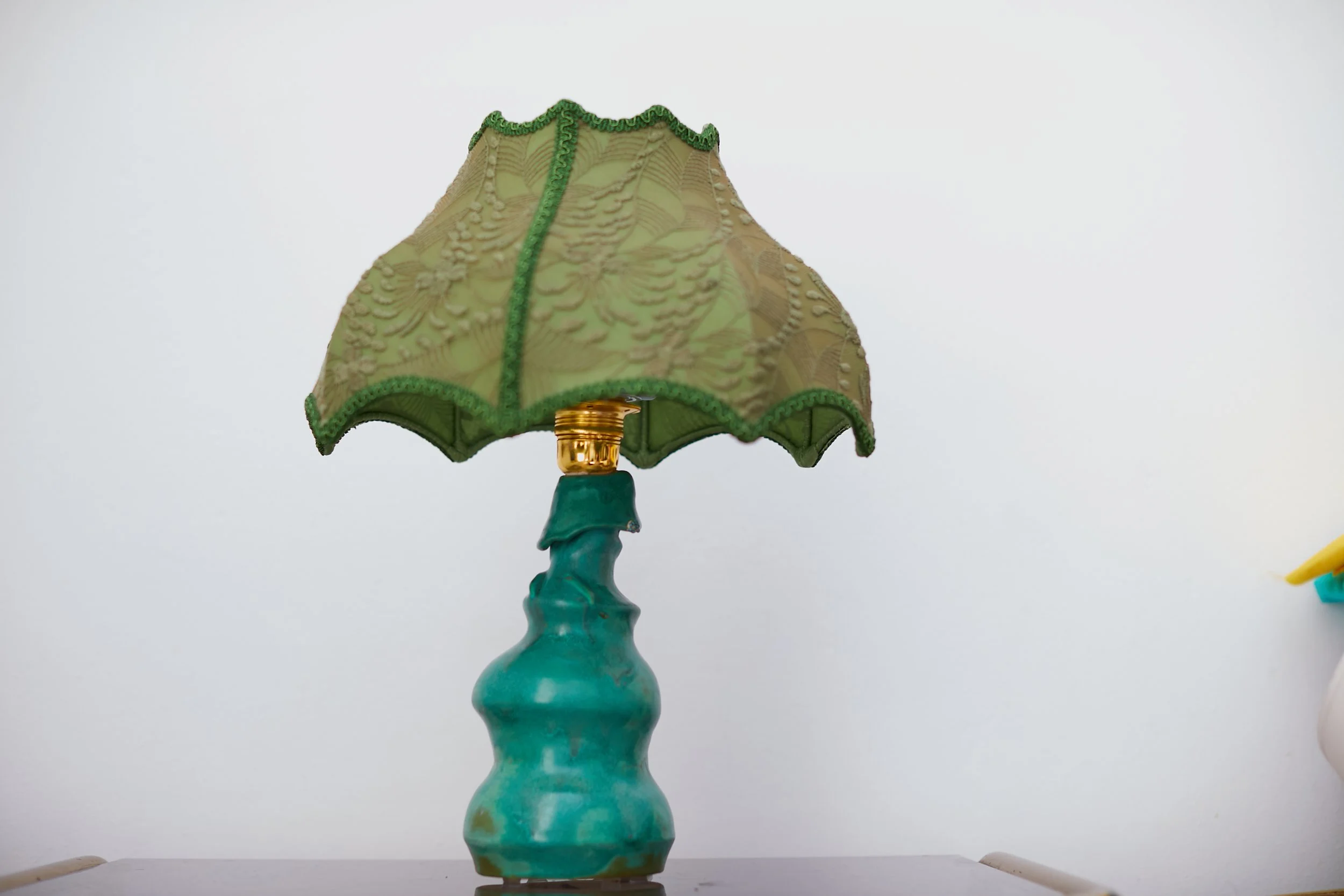
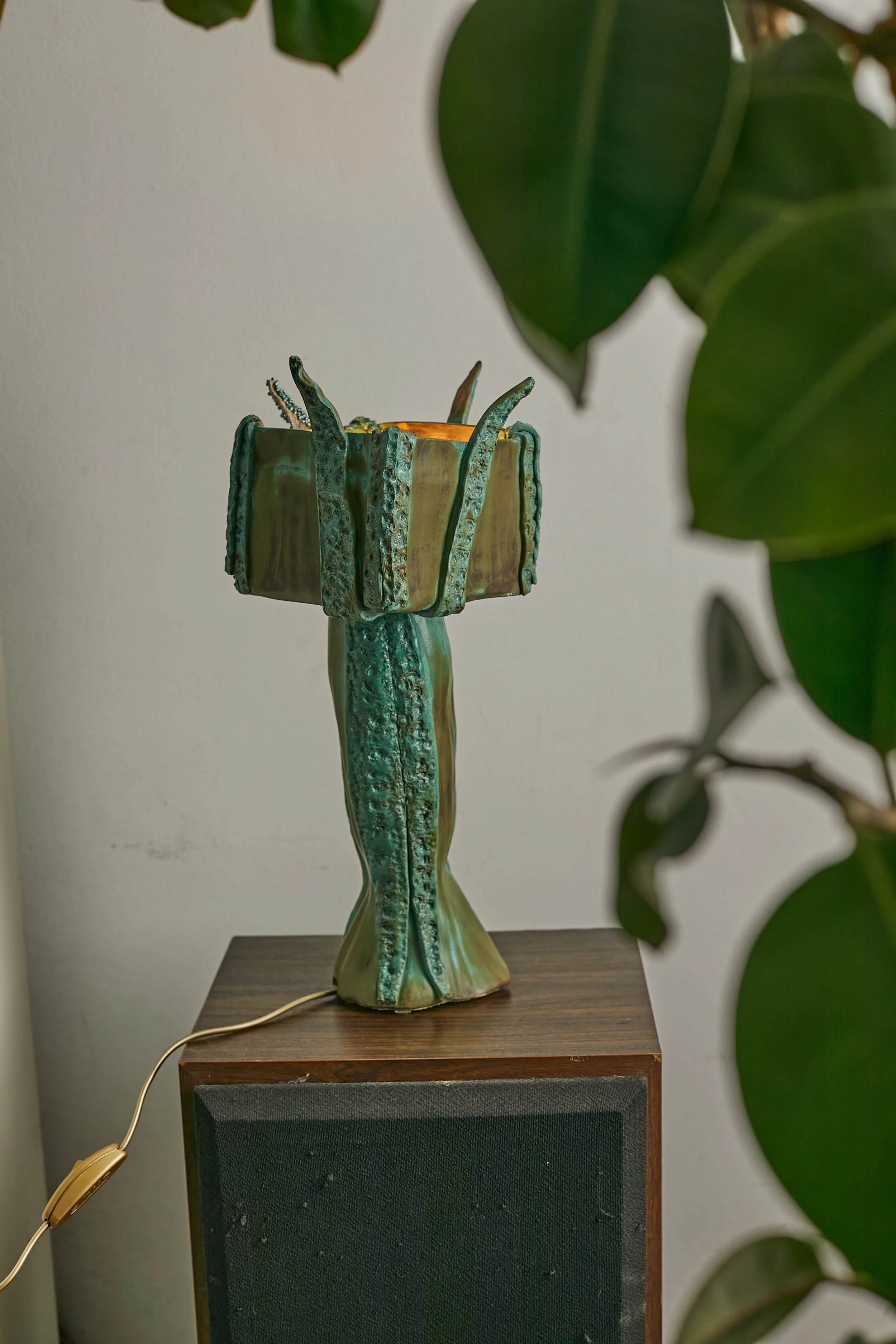
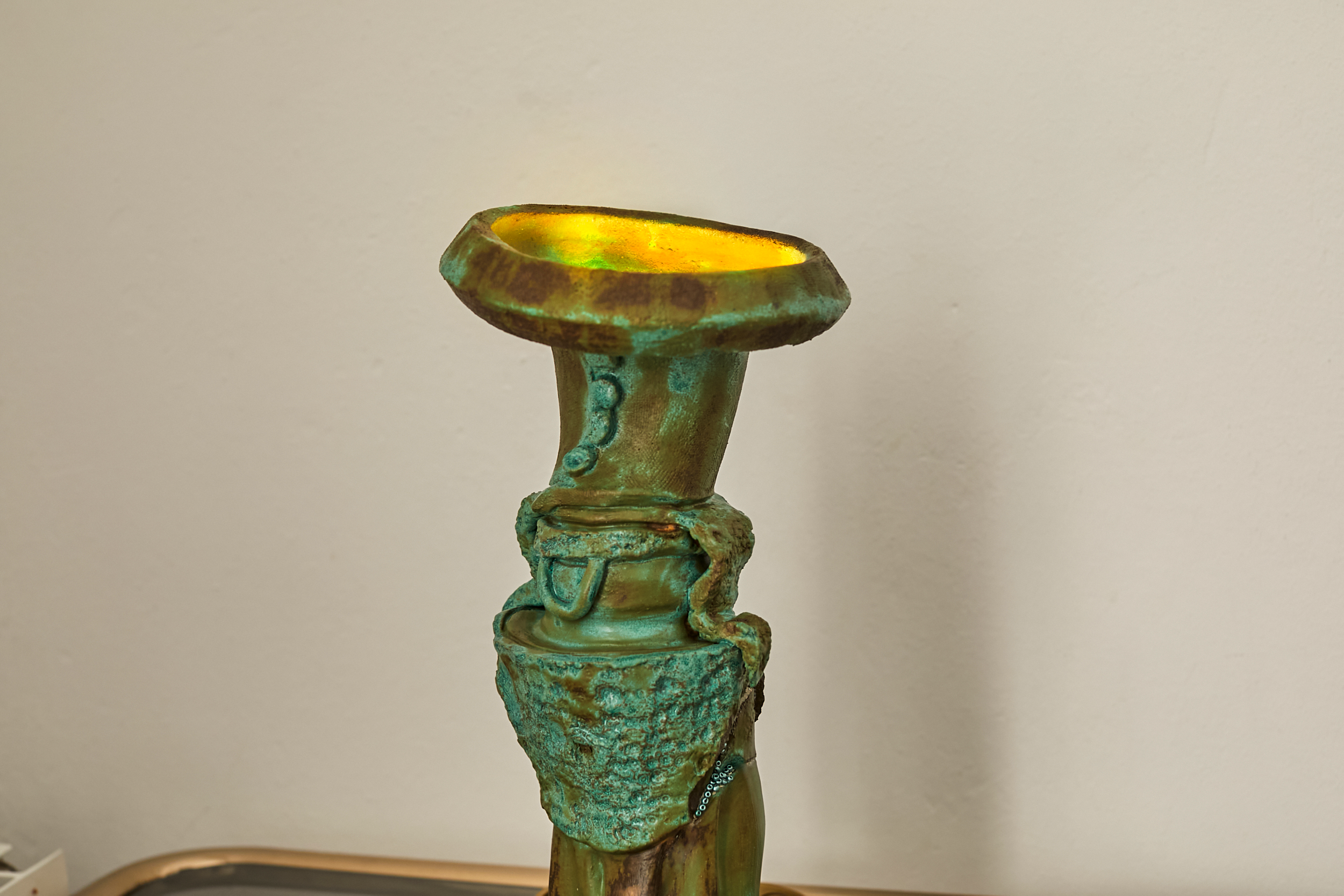
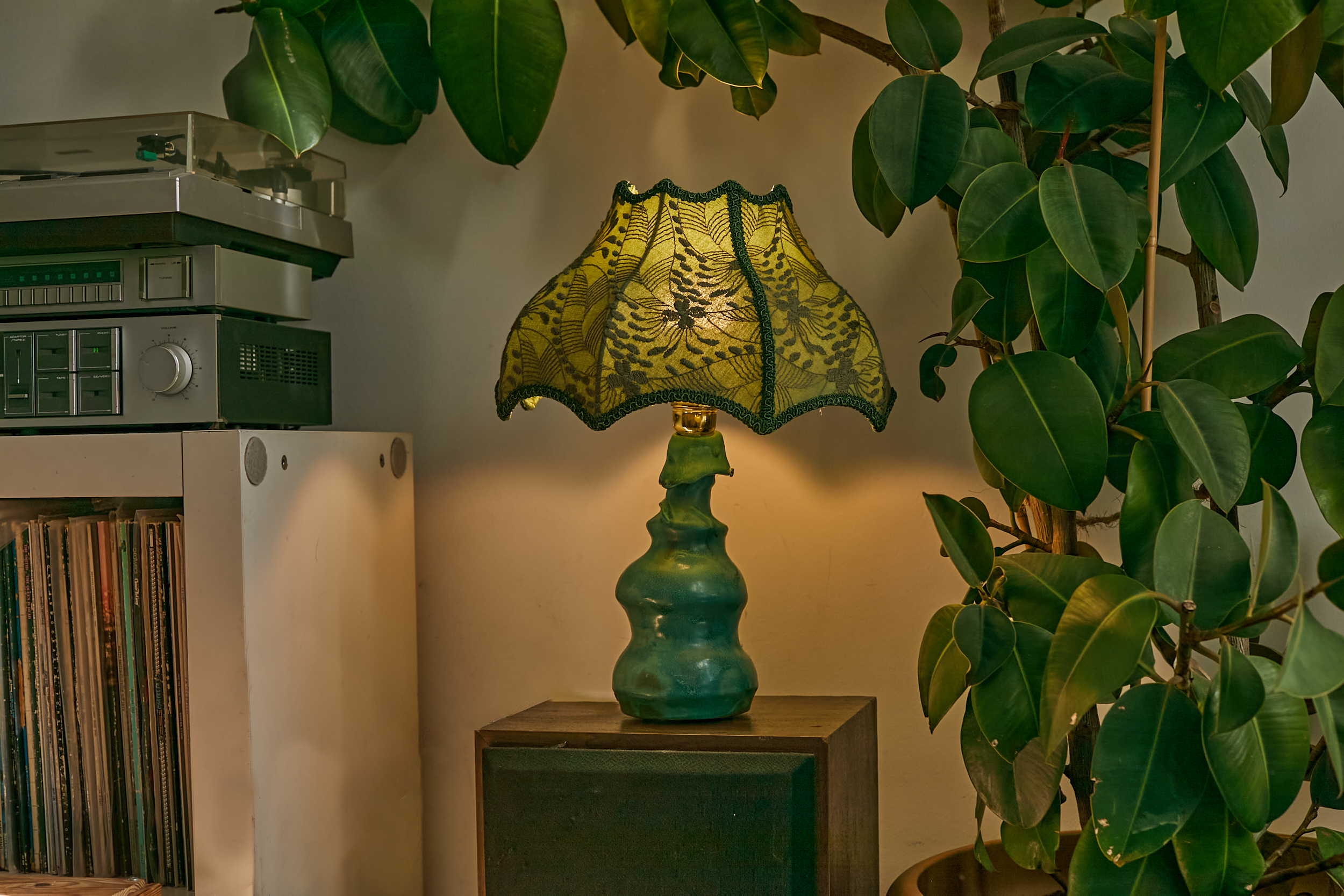
UTTU is a series of ceramic lamps that engages with femininity as a material language, rather than a gendered identity.
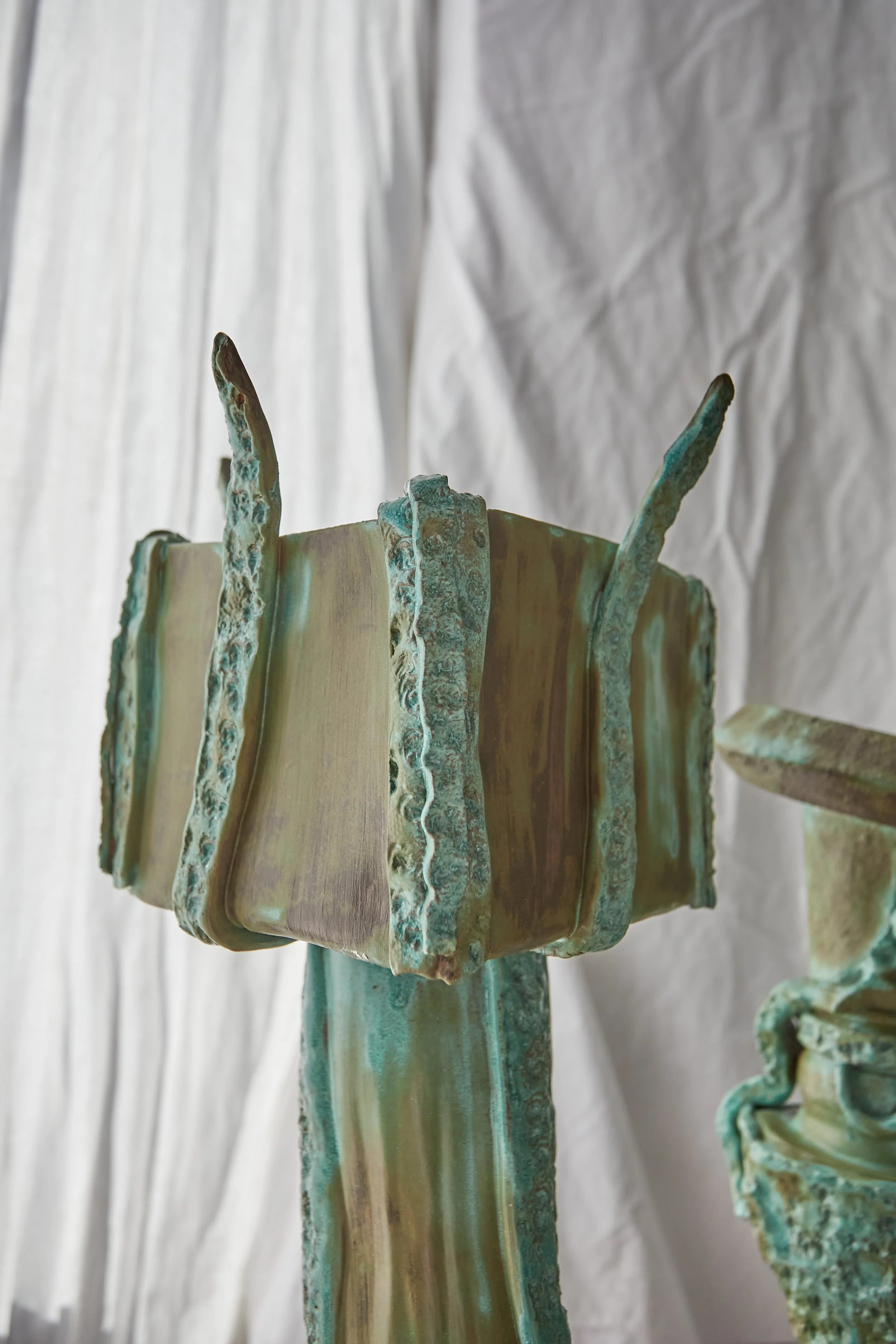
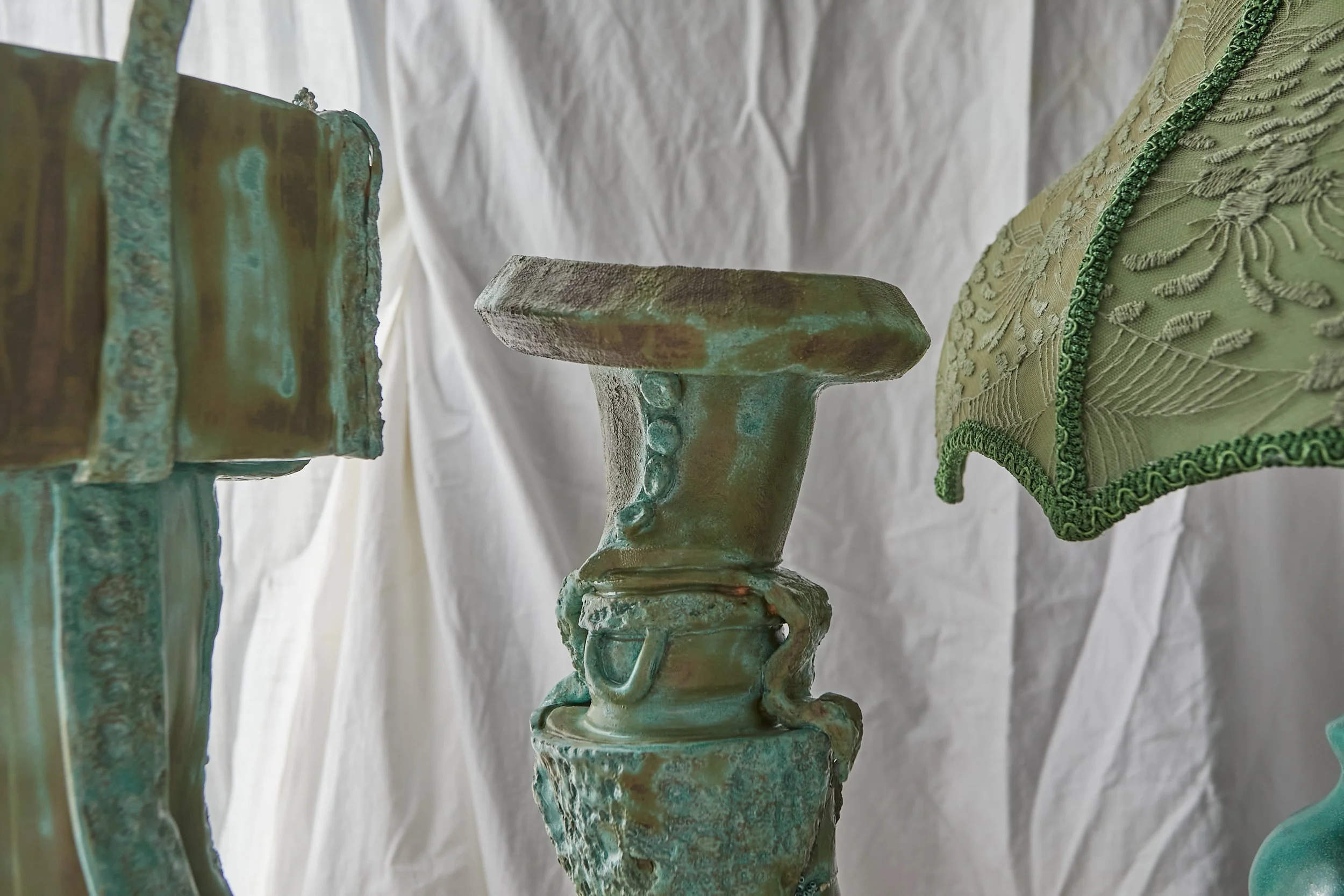
The series is named after Uttu, a Mesopotamian figure who was known for her weaving and textile knowledge, and translates the concepts of lace and surface pattern, traditionally feminine concepts, into sculptural ceramics. The lamps are hybrid bodies that are simultaneously objects, garments, and architecture, where ceramics are cloth and light is a form of dressing.
The project is rooted in Mediterranean topographies and features algae-like glazes that evoke the seaside, slow decay, and biological growth. These organic materials are juxtaposed with the precision and intimacy of lace textiles,
Engaging with the fashion tradition of mutation, hybridity, and transformation, as seen in the work of Alexander McQueen, UTTU suggests a more subtle process of evolution.